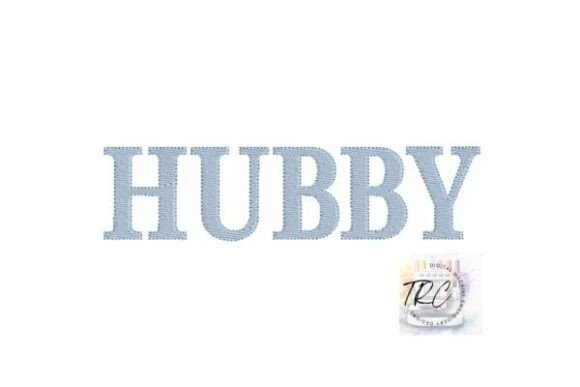
Review: Hubby Fill Stitch Embroidery Design
As an embroidery designer who has spent years digitizing files for small businesses, I know that not every machine embroidery design is created equal. When a client hands me a file to test for their boutique or café merchandise, I am looking for more than just aesthetic appeal. I am looking for durability, stitch integrity, and brand alignment. Recently, I reviewed the Hubby Fill Stitch Embroidery Design, and while the title suggests a playful, personal gift for a spouse, its application in a commercial setting offers some interesting possibilities for specific niches.
First Impressions and Visual Personality
The initial description promises a stylish way to stitch up the perfect sweatshirt, positioning it as an ideal partner to a matching "Wifey" design. Visually, this suggests a design that leans heavily into the cozy, personalized apparel market. For a small business owner, especially those in the handmade product space or Etsy sellers, this immediate association with comfort and relationship-based marketing is powerful. The term "Fill Stitch" implies a solid, bold coverage rather than delicate, airy outlines. This creates a visual weight that feels premium and substantial.
In a professional context, this design does not scream corporate minimalism. Instead, it exudes a friendly, approachable, and slightly rustic charm. It feels handmade even when machine-produced. For brands that rely on emotional connection—such as family-oriented boutiques, local bakeries, or creative studios focusing on community—this visual personality can enhance brand identity by making the merchandise feel warm and inviting rather than sterile.
Real-World Business Applications
While the primary use case mentioned is sweatshirts, expanding the utility of the Hubby Fill Stitch Embroidery Design requires creative thinking. Here is how I see this performing in real business scenarios:
- Custom Apparel Collections: This is the most obvious fit. Retailers selling couple-themed merchandise can bundle this with its counterpart to create high-value sets. The fill stitch ensures the design stands out against fleece or heavy cotton, common materials for hoodies and crewnecks.
- Embroidered Patches: Because fill stitches provide good coverage, this design could translate well into an embroidered patch. Patches are versatile assets for small business merch, allowing customers to add branding to jackets, bags, or hats they already own. However, the shape must be compact to avoid fraying edges.
- Tote Bag Design: Canvas tote bags are staples for craft fairs and boutique giveaways. A bold fill stitch holds up well on textured canvas fabric, providing a sturdy mark that survives frequent washing and heavy use.
- Apron Embroidery: For businesses like florists, pet groomers, or artisan coffee shops, branded aprons are essential. If the design is scaled appropriately, it can serve as a chest logo accent. It adds a touch of personality to staff uniforms without being overly distracting.
Technical Considerations for Production
Before running this digital embroidery file on your production machines, there are critical technical factors to evaluate. The term "fill stitch" often indicates higher stitch density. While this creates a rich look, it can cause puckering if not managed correctly.
When testing this design, start by checking the hoop size requirements. Ensure your machine can accommodate the necessary area, especially if you plan to place it on curved surfaces like cap fronts. Cap embroidery is tricky; a dense fill stitch on a structured cap can lead to distortion if the stabilizer is not robust enough. I always recommend using a cut-away stabilizer for stretchy fabrics like sweatshirt material and a tear-away for stable woven fabrics like tote bags, provided the stitch count allows for clean removal.
Another crucial step is to test the design in black and white first. This helps you identify any potential gaps in the fill or areas where the thread colors might blend too much. Contrast is key for recognition. If you are using dark uniforms, ensure you have light thread colors available to make the design pop. Conversely, on light fabrics, dark threads will provide the necessary definition.
Where to Use Caution
Not every item is suitable for this specific design. Due to the nature of fill stitches, I would advise against using this on very small patch sizes unless the original file is optimized for micro-details. Tiny lettering or intricate outlines within a fill area can get lost or become muddy during stitching. Additionally, be cautious with highly textured fabrics. If the fabric texture competes with the stitch direction, the finished product may look uneven.
For items that require frequent industrial washing, such as restaurant staff uniforms, verify the underlay stitches. A strong underlay is essential to anchor the top fill stitches and prevent shifting over time. If the design lacks sufficient underlay, it may not hold up to the rigors of commercial laundry, potentially damaging your brand’s reputation for quality.
Enhancing Brand Identity and Trust
Using a cohesive design system strengthens customer trust. If your brand voice is playful and community-focused, the Hubby Fill Stitch Embroidery Design aligns perfectly. It signals that your business values personal connections and comfort. When customers see consistent, high-quality embroidery on your small business merch, it elevates the perceived value of your products. It transforms a simple sweatshirt into a keepsake.
However, consistency is vital. Ensure that the thread colors used in this design match your broader brand palette. Mismatched colors can confuse customers and dilute brand recognition. Create a printable mockup to visualize how this design sits alongside other design assets like logos and tags. This holistic view ensures that every piece of merchandise contributes to a unified professional image.
Practical Designer Notes for Buyers
If you are considering purchasing this embroidery file for commercial use, here is my checklist for success:
- Verify Licensing: Always confirm commercial licensing terms before using any digital file for profit. Ensure the license covers unlimited productions or specifies a cap on item counts.
- Test on Real Fabric: Do not rely solely on screen previews. Stitch out a sample on the exact fabric you intend to use for your final product. Fabric texture and stretch significantly impact the outcome.
- Check File Formats: Ensure the download includes the format compatible with your machine (e.g., PES, DST, JEF). Missing formats can halt production.
- Evaluate Scalability: If you plan to use this on different items, check if the design scales well without losing proportion. Some fill designs distort when resized significantly.
- Client Approval: If you are creating custom apparel for clients, present a physical sample or a high-resolution photo of a test stitch-out. This manages expectations and reduces revision requests.
In conclusion, the Hubby Fill Stitch Embroidery Design is a strong contender for businesses targeting the cozy, personalized market. While it may not suit every corporate uniform need, its strength lies in its ability to create emotional engagement through tactile, high-quality custom apparel. By paying attention to stabilizer choice, thread contrast, and fabric compatibility, you can leverage this design to create standout merchandise that resonates with your audience.