Crab Digital Embroidery Design Review
As an embroidery designer who has spent years digitizing logos and testing files for commercial production, I approach every new machine embroidery design with a critical eye. It is not enough for a design to look cute on a screen; it must perform under the needle, withstand washing, and elevate the brand it represents. Recently, I evaluated the Crab Digital Embroidery Design, a file that promises to bring coastal charm to various projects. For small business owners, this review breaks down whether this asset is ready for your branded merchandise or if it requires further refinement before hitting the hoop.
First Impressions and Visual Personality
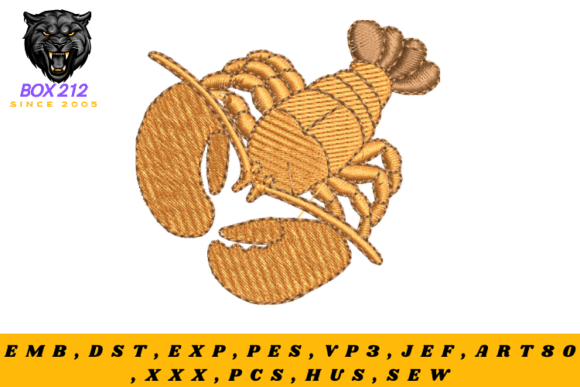
The initial view of the Crab Digital Embroidery Design suggests a blend of playfulness and detail. In the world of Wild Animals themed Embroidery, crabs can often appear too cartoonish or overly complex. This design strikes a balance, capturing unique features without sacrificing clarity. The visual personality feels friendly yet professional, making it suitable for businesses that want to project approachability without losing credibility. Whether you run a seaside café, a boutique hotel, or a creative studio, the aesthetic leans towards a modern, decorative style that fits well within current trends for handmade and artisanal branding.
Performance in Real Business Applications
The true test of any digital embroidery file is its versatility across different substrates and products. Here is how this crab motif performs in common small business scenarios:
- Embroidered Patches: This is perhaps the strongest use case. The detailed claws and shell structure translate well into a patch format, allowing for bold thread colors that pop against denim or canvas. It serves as an excellent identifier for staff uniforms or a collectible item for customers.
- Custom Apparel and Uniforms: For beachside restaurants or retail shops, placing this design on the left chest of polo shirts creates a cohesive team look. It acts as a subtle brand marker that is more engaging than plain text logos.
- Tote Bag Design: Canvas bags are a staple for eco-conscious brands. The crab design adds value to a simple tote, turning a functional item into a desirable handmade product that customers are proud to carry.
- Cap Embroidery: While possible, cap fronts offer limited space. This design works best if scaled down carefully, ensuring the details do not merge into a blob of thread. It is ideal for summer collections or seasonal promotions.
- Apron Embroidery: For bakeries, florists, or craft studios, an apron with this motif adds a touch of whimsy. It reinforces the brand identity while protecting clothing, merging utility with marketing.
Strategic Considerations for Production
While the design is promising, there are specific areas where caution is required. Not every fabric or garment is suitable for every digitized file. As a designer, I advise paying close attention to the following technical aspects before committing to a large production run.
Fabric Texture and Stabilizer Choice
The success of the Crab Digital Embroidery Design depends heavily on the fabric texture. On smooth cotton or polyester blends, the stitches will lay flat and crisp. However, on textured fabrics like terry cloth or heavy wool, fine details may get lost. Always use the appropriate stabilizer—cut-away for stretchy fabrics and tear-away for stable wovens—to prevent puckering. A poorly stabilized design can ruin the perceived quality of your small business merch.
Scale and Stitch Density
One common mistake is assuming a design looks good at any size. If you plan to use this as a tiny label or on a narrow cuff, verify the stitch density. High density in a small area can cause the fabric to pucker or the thread to break. Conversely, if the design is too sparse, it may look cheap. Test the design at your intended size on a scrap piece of the actual production fabric. Check if the outlines remain distinct and if the fill stitches cover the background adequately without being too bulky.
Color Contrast and Thread Selection
Thread colors make or break the visual impact. For a crab design, traditional reds and oranges work well, but consider your brand palette. If your brand uses muted tones, a bright red crab might clash. Test the design in black and white first to ensure the shape is recognizable without color reliance. This step is crucial for creating effective printable mockup assets for client approval. Ensure there is enough contrast between the crab and the garment color, especially on dark uniforms where light threads may be necessary for visibility.
Enhancing Brand Identity and Customer Trust
Incorporating the Crab Digital Embroidery Design into your product line does more than just decorate an item; it strengthens your brand identity. Consistent use of high-quality embroidered elements signals professionalism and attention to detail. Customers associate the tactile quality of embroidery with premium value. When they see a well-executed crab motif on a tote bag or hat, it reinforces the narrative of a thoughtful, curated brand. This visual consistency helps in building recognition, making your custom apparel instantly identifiable in a crowded market.
Furthermore, offering embroidered merchandise can increase buyer engagement. Items like patches or branded aprons become conversation starters. They transform passive customers into brand ambassadors who wear your logo proudly. For Etsy sellers and crafters, this design can be a key design asset that differentiates your shop from competitors using generic print-on-demand services.
Practical Designer Notes for Implementation
Before you load this file into your machine for a commercial order, follow these steps to ensure a flawless finished product:
- Verify File Specifications: The product description mentions it is a digital embroidery file, but always check the specific formats provided (such as PES, DST, or JEF) to ensure compatibility with your machine. Confirm the recommended hoop size to avoid resizing issues that distort the stitch pattern.
- Check Licensing Terms: Ensure the license allows for commercial embroidery use. Some designers restrict the number of physical items you can sell using their digital files. Clarify this before investing time in production.
- Create a Mockup: Use software to place the design on virtual garments. This helps visualize the final look and assists in marketing materials before you stitch a single thread.
- Test on Real Fabric: Never skip the test stitch. Run the design on the exact fabric type and weight you intend to use for the final product. Inspect the back for excessive thread buildup and the front for any gaps or pulls.
- Compare with Other Assets: Place the crab design alongside your existing logo and other design assets. Ensure it complements rather than competes with your primary branding elements.
In conclusion, the Crab Digital Embroidery Design offers a charming and versatile option for businesses looking to add a coastal or playful touch to their merchandise. With careful attention to technical details like stabilizer choice, scale, and thread contrast, it can become a valuable component of your small business merch strategy. By treating this digital file with the same rigor as any other brand element, you ensure that every stitched item reflects the quality and personality of your business.