Review: Abstract Flowers Geometric Embroidery for Modern Makers
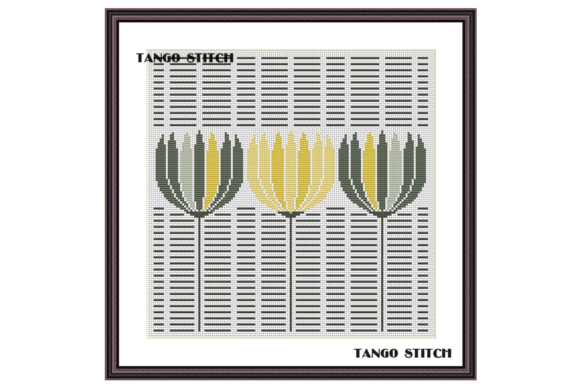
As a designer who has spent countless hours digitizing patterns and testing them on everything from delicate silk to heavy denim, I approach every new machine embroidery design with a critical eye. We are not just looking for pretty pictures; we are looking for structural integrity, visual balance, and commercial viability. Recently, I evaluated the Abstract Flowers Geometric Embroidery pattern, specifically the abstract lily flowers cross stitch pattern by Tango Stitch, to determine if it holds up in real-world production environments.
The first impression of this design is its striking duality. It manages to blend the organic, flowing nature of lily flowers with rigid, geometric precision. This juxtaposition creates a modern aesthetic that feels fresh rather than traditional. For embroidery designers and small business owners, this mood is crucial. It signals to the buyer that the item is contemporary, stylish, and thoughtfully curated. The layout avoids the clutter often found in floral designs, opting instead for clean lines and intentional negative space. This simplicity is not just an artistic choice; it is a practical one that reduces stitch count issues and improves clarity on smaller items.
Real-World Application: The Custom Tote Bag Test
To truly understand the value of an embroidery file, you must visualize it on a finished product. I imagined this design applied to a custom canvas tote bag, a staple for any Etsy seller or craft business. Canvas has a distinct weave and texture that can sometimes swallow fine details. However, the geometric nature of these abstract lilies provides enough boldness to stand out against the fabric texture.
In this scenario, the design serves as a focal point without overwhelming the bag’s utility. The playfulness mentioned in the product description translates well here. It appeals to customers looking for a handmade product that feels artisanal yet modern. When stitching this on a tote, the geometric edges remain crisp, provided the correct stabilizer is used. This makes it an excellent candidate for boutique branding or as a standout item at craft fairs. The visual personality of the piece suggests a brand that values creativity and precision, which helps build customer trust and recognition.
Versatility Across Product Lines
Beyond tote bags, this design demonstrates remarkable versatility. For those in the apparel decoration space, consider sweatshirt embroidery. The abstract lily motif works beautifully on the chest pocket area or as a larger back print. Because the design relies on geometric shapes, it scales well. It does not lose its identity when enlarged, nor does it become a muddy mess when reduced, within reason. This scalability is vital for custom apparel lines where consistency across different garment sizes is key.
For baby items, such as onesies or burp cloths, the soft curves of the lily combined with the safe, non-aggressive geometry make it a gentle choice. It fits the trend of modern nursery decor, moving away from overly cartoonish themes. Similarly, for holiday embroidery projects, this design can be adapted with seasonal thread colors. Imagine silver and white threads for a winter theme, or pastels for spring. This adaptability increases the lifespan of the digital embroidery file in your library, allowing you to create multiple design assets from a single purchase.
Technical Considerations and Fabric Challenges
While the design is described as easy to follow for all skill levels, experienced makers know that "easy" is relative to the material. When working with stretchy fabrics like jersey knits for t-shirts, the geometric lines require careful attention to stitch density. If the density is too high, the fabric may pucker. If too low, the geometric precision may look sloppy. I recommend testing the design on scrap fabric first, using a cut-away stabilizer for knits to ensure the shapes remain true.
Dark fabrics present another challenge. The contrast between the thread and the background is essential for the geometric elements to pop. If you are using dark navy or black fabric, ensure your thread colors have sufficient brightness. A muted thread on a dark background will cause the intricate details of the abstract lily to disappear. Conversely, on light fabrics, subtle tonal variations can add depth and sophistication, making the piece look more like a woven textile than a stamped image.
Curved surfaces, such as caps or hats, require extra caution. The rigid geometry of the design might distort if not hooped correctly. Using a proper cap frame and ensuring the design is centered precisely is crucial. Any misalignment will be immediately noticeable due to the straight lines and sharp angles inherent in the geometric style. For embroidered patch creation, this design is ideal because the clear boundaries allow for clean cutting and finishing.
Enhancing Brand Value and Customer Engagement
From a business perspective, the Abstract Flowers Geometric Embroidery adds perceived value. Customers often associate complex-looking geometric patterns with higher quality and design expertise. By offering products featuring this pattern, you elevate your small shop product lineup. It helps in creating a cohesive brand aesthetic, especially if you use consistent color palettes across your inventory.
When creating printable mockup images for your online store, this design photographs well. The contrast and structure catch the light effectively, making digital previews more engaging. This can lead to higher click-through rates and better conversion on platforms like Etsy. Buyers are drawn to items that look professional and unique, and this design delivers both. It avoids the generic look of stock floral patterns, offering a distinctive edge that can help your finished product stand out in a saturated market.
Practical Designer Notes for Implementation
Before committing to a large production run, there are several steps every responsible maker should take. First, always verify the licensing terms. While the product is categorized under Cross Stitch Patterns and Graphics, ensure that the license allows for commercial use if you intend to sell physical items. Never assume; always read the fine print provided by Tango Stitch or the respective seller.
- Test on Scrap Fabric: Always stitch a sample on the exact fabric type you plan to use. This reveals any tension issues or density problems.
- Check Thread Contrast: Use a color wheel to select threads that complement the geometric shapes. High contrast is key for visibility.
- Review Stitch Density: If the design feels too stiff after stitching, consider adjusting the density settings in your software if you have the editable file, or choose a lighter weight fabric.
- Confirm Hoop Size: Ensure your machine’s hoop can accommodate the design dimensions without needing to re-hoop, which can cause alignment errors.
- Inspect Small Details: Zoom in on the digital preview to check for tiny, isolated stitches that might pull out during washing.
In conclusion, the Abstract Flowers Geometric Embroidery is a robust addition to any designer’s toolkit. It balances artistic flair with technical practicality, making it suitable for a wide range of applications from personalized gifts to commercial merchandise. By understanding its strengths and respecting its technical requirements, you can create stunning, high-quality items that resonate with modern consumers. Whether you are a hobbyist looking to upgrade your home decor or an entrepreneur building a brand, this design offers the flexibility and visual impact needed to succeed in today’s creative marketplace.