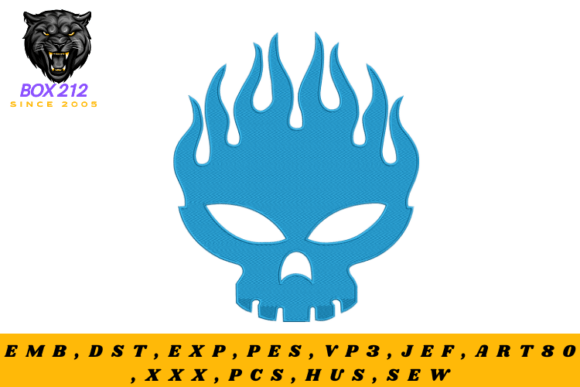
Reviewing the Scary Face Digital Embroidery Design
As an embroidery designer who has spent years digitizing patterns and testing them on everything from delicate silk to heavy denim, I approach every new machine embroidery design with a critical eye. It is not just about whether the image looks good on a screen; it is about how it translates into thread, how it holds up under the needle, and ultimately, how it resonates with the person receiving the finished item. Recently, I had the opportunity to test the Scary Face Digital Embroidery Design, a pattern that promises to add a chilling touch to various projects. While my usual portfolio leans toward soft baby blankets and elegant wedding keepsakes, expanding into seasonal themes is essential for any thriving small business. Here is my practical review of this design from the perspective of a maker preparing for real customer orders.
First Impressions and Aesthetic Appeal
Upon loading the digital embroidery file into my software, the first thing that struck me was the dramatic nature of the artwork. The description highlights a "hauntingly detailed pattern" featuring a creepy and dramatic face, and the digitization reflects this intent. Unlike simplistic clip-art styles, this design carries a sense of mood and narrative. For Halloween enthusiasts, this is not just a decoration; it is a statement piece. The detail level suggests a high-quality embroidery file that prioritizes visual impact. However, for those of us accustomed to sweet or romantic motifs, this design requires a shift in mindset. It is bold, modern, and unapologetically seasonal. It does not aim for elegance in the traditional sense but rather for a striking, memorable presence that captures the spirit of the holiday.
Versatility Beyond the Obvious
While the primary category is clearly Halloween, I always look for ways to maximize the utility of a purchase. Can this design work for more than just spooky decor? Absolutely. For an Etsy seller or a small shop product creator, versatility is key to inventory management. I envision this design working beautifully on black tote bags, creating a chic, gothic accessory that appeals to customers year-round, not just in October. It could also serve as a unique accent on dark-colored pillow covers for a home with an eclectic or alternative aesthetic.
However, we must be realistic about its limitations. This is not a design for baby embroidery or gentle nursery decor. Parents looking for soft, soothing imagery for a newborn will not find comfort in a scary face. Similarly, it is not suitable for traditional wedding gift items unless the couple has a very specific, niche theme. Instead, think of adult-focused gifts: custom aprons for the host who loves horror movie nights, or personalized towels for a guest bathroom with a bold style. The emotional connection here is one of fun, thrill, and shared cultural references rather than sentimental warmth.
Technical Considerations for Makers
Before running this design on a customer’s expensive fabric, there are several technical factors to consider. The description mentions "hauntingly detailed," which often implies complex stitching. High detail can mean higher stitch density. If you are working with lightweight fabrics, such as thin cotton or linen, you must use an appropriate stabilizer to prevent puckering. I recommend testing on scrap fabric first to see how the threads interact with the material.
Another critical aspect is the hoop size. Ensure that your machine’s hoop accommodates the full dimensions of the design without cropping essential details. Since the face is the focal point, any truncation would ruin the effect. Additionally, consider the thread colors. A scary face relies heavily on contrast. Using subtle shades may cause the features to blend into the background, especially on dark fabrics. I advise creating a printable mockup or using software simulation to check color contrast before stitching. If you are using black thread on black fabric, you might need to incorporate metallic or dark gray threads to define the shadows and highlights effectively.
Fabric and Placement Challenges
Where you place this design matters immensely. On flat surfaces like tote bags or standard pillow covers, the design will shine. However, be cautious with curved surfaces or textured materials. Thick towels, for example, can swallow fine details if the pile is too high. An embroidered towel with this design needs to be made from a low-pile fabric to ensure the facial features remain visible. Similarly, avoid placing intricate details on stretchy fabrics unless you have extensive experience with stabilizing knits. The tension required for such a detailed face could distort the fabric if not handled correctly.
For items that require frequent washing, such as kitchen towels or aprons, ensure that the stitch density is balanced. Too dense, and the fabric may tear over time; too sparse, and the design may lose its definition after a few cycles. Always check the small details after a test wash to confirm durability. This is crucial for maintaining customer trust and ensuring your handmade product stands the test of time.
Commercial Viability and Customer Trust
From a business standpoint, the Scary Face Digital Embroidery Design offers a strong opportunity for seasonal revenue. Halloween is a high-spending holiday, and customers are often looking for unique, personalized gift options that stand out from mass-produced store-bought items. By offering custom embroidery with this design, you elevate the perceived value of the product. It shows attention to detail and craftsmanship.
However, transparency is vital. Before selling finished products, you must confirm the commercial licensing terms associated with the digital embroidery file. Not all designers allow unlimited commercial use, and violating these terms can harm your reputation and legal standing. Once licensed, use high-quality photography to showcase the texture and depth of the stitches. Show the design on different backgrounds to help buyers visualize it on their own items. This enhances buyer engagement and reduces the likelihood of returns due to mismatched expectations.
In conclusion, the Scary Face Digital Embroidery Design is a potent tool for makers looking to expand their seasonal offerings. It is not a universal design for all occasions, but for the right audience, it is captivating. By paying attention to technical details like stabilizer choice, thread contrast, and fabric suitability, you can create a finished product that is both visually striking and durable. Whether you are crafting for your own home or building inventory for your online shop, this design invites creativity and offers a chance to connect with customers who appreciate the darker, more dramatic side of handmade art.