Reviewing the Elegant Hand Fan Embroidery Design
As a designer who has spent countless hours staring at digitized files and watching needles dance across fabric, I have learned that not every pretty picture translates into a quality machine embroidery design. When I first pulled up the Elegant Hand Fan Embroidery Design, my initial reaction was one of cautious optimism. The preview looked sophisticated, promising a touch of grace that is often missing in mass-market digital assets. But aesthetics are only half the battle; the real test is how the file performs under the needle.
First Impressions and Visual Mood
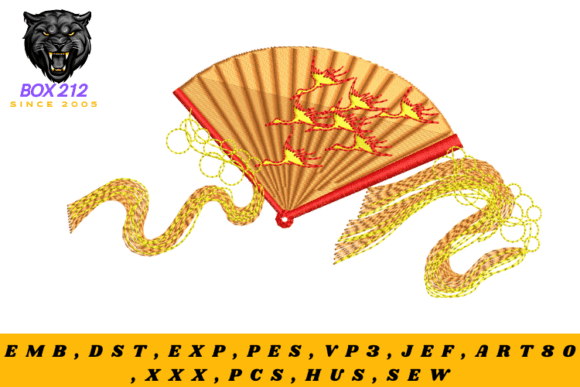
The immediate mood this pattern creates is one of vintage refinement. It does not scream for attention with neon colors or chaotic shapes. Instead, it relies on ornate patterns and a balanced layout that suggests history and craftsmanship. For those of us creating design assets for boutique brands or high-end handmade products, this visual personality is crucial. It feels intentional.
The level of detail in the fan’s ribs and the decorative edges suggests a complex digitization job. However, intricate does not always mean better. In embroidery, too much detail can lead to thread breaks or puckering if the stitch density is not managed correctly. My eye immediately went to the curves. Smooth curves are the hallmark of good digitizing, and here, the flow seemed natural, avoiding the jagged "stairstep" effect that plagues cheaper files.
Real-World Application: The Tote Bag Test
To truly evaluate this design, I imagined a specific client project: a custom canvas tote bag for a local bridal shop. The goal was to create a personalized gift for bridesmaids that felt luxurious but durable. This is where the Elegant Hand Fan Embroidery Design shines. Placed centrally on a sturdy cotton canvas, the ornate patterns would stand out beautifully against the textured background.
I considered how the design would interact with the fabric texture. Canvas has a weave that can sometimes swallow small details. Fortunately, this design appears to have enough substance in its fill stitch areas to remain visible without becoming a solid blob of thread. For an Etsy seller or small shop product creator, this versatility is key. It works on thick materials, which expands the range of products you can offer, from heavy-duty bags to structured aprons.
Versatility Across Product Lines
Beyond tote bags, I see this pattern fitting seamlessly into several other categories. For sweatshirt embroidery, the design offers a focal point that elevates a basic garment into a fashion statement. Imagine it stitched in metallic gold thread on a deep navy crewneck; the contrast would be striking. It also serves well as a tote bag design element for literary cafes or vintage boutiques.
However, context matters. While it fits well on flat surfaces like pillow covers or tea towels, I would hesitate to use it on highly curved surfaces like baseball caps without significant resizing. The ornate details might distort if the hoop tension is not perfectly calibrated. For baby embroidery, caution is advised. The intricate lines might be too dense for delicate infant skin or thin muslin fabrics, potentially causing stiffness.
Technical Considerations for Stitching
Before loading this embroidery file into your machine, there are practical steps every professional should take. First, check the stitch count. While the description mentions an "intricate pattern," it does not specify the exact number of stitches. High stitch counts increase production time and thread usage, which impacts your profit margin as a craft business owner. Always review the file properties before committing to a large batch run.
Stabilizer choice is critical here. Given the detailed nature of the fan, a cut-away stabilizer is likely necessary to prevent distortion, especially if you are stitching on stretchy fabrics like jersey knits for custom apparel. A tear-away might leave the design looking wavy after washing. I also recommend testing the design on scrap fabric first. Check for thread breaks in the tightest corners of the fan’s structure. If the machine struggles there, you may need to adjust the tension or slow down the speed.
Color selection plays a huge role in the final outcome. This design relies on contrast. Using similar shades for the fan and the background will cause the details to vanish. I suggest using a printable mockup to test different thread colors before stitching. Try a monochromatic look for subtlety or high-contrast colors for drama. Remember to view your test stitch in black and white to ensure the value contrast is sufficient for readability.
Navigating Limitations and Care
No design is perfect for every scenario. The Elegant Hand Fan Embroidery Design requires careful handling on dark fabrics. If the digitization does not include proper underlay stitches, the fabric color might peek through the lighter top threads, ruining the crispness of the ornate patterns. Always do a test stitch on the actual garment color you plan to sell.
Additionally, consider the end-user’s care routine. Items like kitchen towels or baby clothes undergo frequent washing. Dense satin stitch borders can sometimes trap moisture or fray over time if not tacked down properly. Ensure that any long satin runs in the fan’s handle or edges have adequate tie-offs. For commercial embroidery projects, durability is just as important as aesthetics. A beautiful design that falls apart after three washes will damage your brand reputation.
Commercial Viability and Brand Consistency
For digital product sellers and creative entrepreneurs, this design adds value to a portfolio. It speaks to a customer base that appreciates tradition and elegance. When used in holiday embroidery projects, such as Christmas ornaments or wedding favors, it conveys a sense of timeless celebration. It helps build brand consistency for shops that focus on vintage or romantic aesthetics.
However, always confirm licensing terms. The product description hints at sophistication but does not explicitly state whether the file is licensed for commercial use. As a responsible maker, you must verify if you can sell finished items made with this design or if it is for personal use only. Selling unlicensed work can lead to legal issues and account suspensions on platforms like Etsy.
Final Verdict for Makers
The Elegant Hand Fan Embroidery Design is a strong contender for designers looking to add a layer of refinement to their work. It is not a quick, lazy fill; it demands respect in terms of setup and material choice. But when executed correctly, it transforms simple Accessories and garments into heirloom-quality pieces.
My advice is to approach this embroidery project with patience. Test your hoop size compatibility, choose your stabilizer wisely, and respect the intricacy of the digitization. If you do, the result will be a finished product that not only looks beautiful but also stands up to the scrutiny of discerning customers. It is a tool that, in the right hands, can elevate your entire catalog of handmade goods.