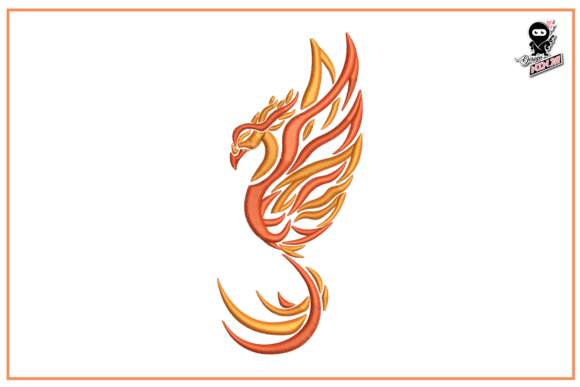
Phoenix Bird Embroidery: A Designer’s Review
As an embroidery designer who has spent countless weekends behind a craft fair booth, I know that not every design translates well from the screen to the hoop. When I first loaded the Phoenix Bird Embroidery file into my software, I was looking for more than just aesthetic appeal. I was evaluating its potential as a high-converting craft fair product. The initial impression is striking. This is not a subtle, minimal accent; it is a bold statement piece. The imagery suggests resilience and beauty, fitting perfectly into the current trend of meaningful, symbolic art in home decor and fashion.
Visual Impact and Market Appeal
In a crowded marketplace, visibility is everything. The Phoenix Bird Embroidery stands out because of its inherent drama. Whether you categorize it under Birds or general decorative art, the design commands attention. For an Etsy seller or a boutique maker, this means the thumbnail image needs to do heavy lifting. The fiery tones and dynamic lines of a phoenix naturally draw the eye, making it an excellent candidate for a printable mockup that stops the scroll.
When considering where this design fits best, I immediately thought of items that offer a large, flat canvas. A tote bag design featuring this phoenix would be a top seller. Shoppers at handmade markets love functional art, and a sturdy canvas bag with a vibrant bird motif bridges the gap between utility and style. Similarly, apron embroidery benefits from a central, focal design like this. It turns a standard kitchen tool into a conversation starter, adding perceived value to a small shop product.
Product Versatility and Production Strategy
To maximize return on investment, you need a design that works across multiple product lines. Here is how I would deploy the Phoenix Bird Embroidery in a real-world production schedule:
- Tote Bags and Market Bags: Use a larger hoop size to let the wingspan breathe. This creates a premium look that justifies a higher price point.
- Tea Towel Embroidery: Place the design in the corner or center, but be mindful of the fabric texture. Textured towels can sometimes obscure fine details, so test your stitch density carefully.
- Embroidered Patch: This is a fantastic option for batch production. Patches are low-risk, high-margin items. If the design holds up at a smaller scale, it becomes a versatile design asset that can be ironed onto jackets, hats, or backpacks.
- Pillow Covers: A centerpiece for home decor. The symbolic nature of the phoenix adds an emotional layer to the purchase, appealing to buyers looking for gifts with meaning.
For those involved in commercial embroidery, repeatability is key. You want a design that stitches out cleanly every time without constant trimming or re-hooping. The Phoenix Bird Embroidery appears to have clear separation between color blocks, which is crucial for maintaining clarity in a finished product.
Technical Considerations for the Serious Crafter
Before you commit to producing fifty units for your next fair, you must address the technical realities of machine embroidery. While the description promises a high-quality machine embroidery design, success depends on your execution. Here are the critical factors to review:
Stitch Density and Fabric Choice: Phoenix designs often involve gradients or dense filling to create the illusion of feathers. High stitch density can cause puckering on lightweight fabrics. Always use the appropriate stabilizer. For tote bags, a cut-away stabilizer is usually best to support the weight of the stitches. For tea towels, a tear-away might suffice, but test first to ensure the fabric does not distort.
Thread Colors and Contrast: The vibrancy of this design relies on your thread selection. Do not assume the default colors in the embroidery file are the only option. Experiment with variegated threads to add depth to the flames and wings. However, ensure there is enough contrast between the bird and the background fabric. On dark fabric, you may need to adjust the underlay stitches or choose lighter thread colors to prevent the design from getting lost.
Hoop Size and Placement: Check the specific dimensions of the file. If the design is large, it may require a 5x7 or 6x10 hoop. Ensure your machine can handle the size comfortably. For curved surfaces like caps, a large, complex design like a phoenix can be challenging. The curvature may distort the perspective of the bird. I recommend sticking to flat goods for this specific design unless you have advanced experience with cap frames and digitizing adjustments.
Maximizing Sales Through Presentation
How you present the Phoenix Bird Embroidery determines its perceived value. In a booth display, do not just hang a single sample. Create a cohesive collection. Show the same design on a tote, a pillow, and a patch. This demonstrates versatility and helps customers visualize the item in their own lives. For online listings, use high-resolution photos that show the texture of the stitches. Close-ups of the thread work prove the quality of your handmade product and build trust with buyers.
Furthermore, consider the licensing terms. The product description mentions it is perfect for adding a personal touch, but if you plan to sell finished goods, you must confirm that the digital embroidery file includes commercial rights. Never assume. Check the license agreement provided by the designer. Selling items made from a personal-use-only file can lead to serious legal issues and damage your brand’s reputation.
Final Verdict for Business Owners
The Phoenix Bird Embroidery is a strong contender for any embroidery business looking to expand its portfolio. It offers a blend of artistic flair and commercial viability. It is bold enough to catch the eye of a passerby at a craft fair yet refined enough to appeal to online shoppers seeking unique home decor. By paying attention to fabric texture, choosing the right hoop size, and testing your thread colors, you can transform this digital asset into a best-selling physical product. Remember to always test on scrap fabric first, refine your stabilizer choice, and ensure your commercial licensing is in order. With careful production, this design can become a staple in your shop, driving both engagement and sales.