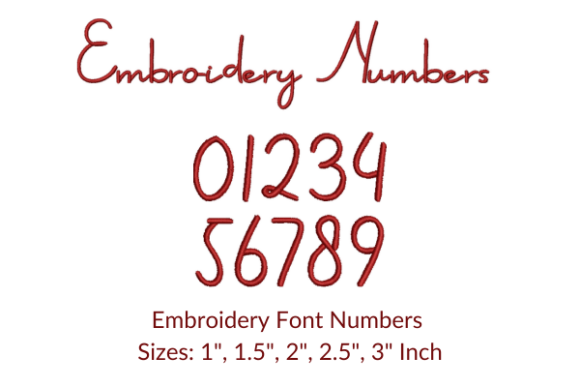
Mellati Number Embroidery Design: A Designer’s Review
As an embroidery designer who spends countless hours digitizing and testing files for commercial use, I am always cautious about adding new assets to my library. The market is flooded with generic fonts that look decent on a screen but fail miserably under the needle. Recently, I came across Mellati Number Embroidery Design on Creative Fabrica and decided to put it through its paces. This review breaks down my experience evaluating this product for real-world application, from initial visual appeal to the final stitched result on various fabrics.
First Impressions and Visual Appeal
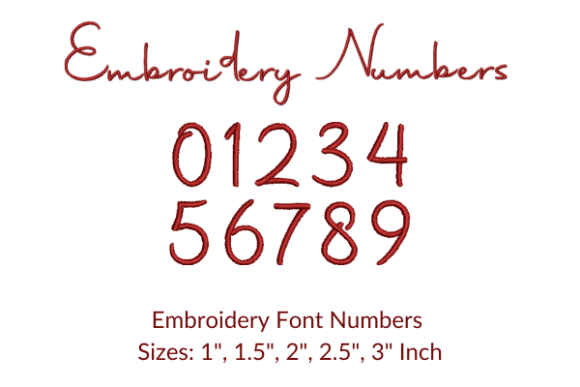
When I first opened the preview images for Mellati Number Embroidery Design, I was struck by its clean, modern aesthetic. Unlike overly ornate script fonts that can become illegible at smaller sizes, this design offers a balanced structure that feels both professional and approachable. The visual mood is versatile; it does not scream for attention with excessive flourishes but rather provides a solid foundation for personalization. For designers looking to create cohesive Embroidery Fonts collections, this number set complements a wide range of lettering styles, making it a valuable addition to any digital asset folder.
The detail level appears consistent, which is crucial for maintaining quality across different hoop sizes. Whether you are stitching a small monogram on a baby onesie or a larger date on a wedding pillow cover, the integrity of the design seems preserved. This consistency is often where free or low-quality machine embroidery design files fail, leading to thread breaks or messy jump stitches. Mellati presents itself as a high-quality option that respects the technical limitations of home and commercial machines.
Real-World Application in Commercial Projects
To truly test the viability of Mellati Number Embroidery Design, I considered how it would perform in typical customer orders. Personalization is a huge driver of sales on platforms like Etsy, and customers frequently request names, dates, or quotes. This font is specifically engineered for such tasks. I imagined using it for a series of custom tote bags, where clear, legible numbering is essential for school supplies or gym bags. The design’s structure suggests it would hold up well on canvas, providing a crisp look that enhances the perceived value of the handmade product.
Another potential application is in custom apparel. I envisioned stitching these numbers onto sweatshirts for sports teams or family reunion shirts. The design’s simplicity allows it to sit cleanly on textured fabrics like fleece or French terry without getting lost in the pile. For sweatshirt embroidery, clarity is key, and this design delivers. Additionally, for those creating embroidered patch designs, the closed shapes and defined edges of the numbers would likely stitch out smoothly on twill or felt backings, creating a durable accessory that can be ironed or sewn onto jackets and hats.
Performance on Challenging Surfaces
Not all projects are straightforward. I also considered how Mellati Number Embroidery Design would handle more difficult surfaces, such as curved cap fronts or stretchy knit fabrics. Caps are notoriously tricky due to the curvature and the thick seams. A design with moderate stitch density is essential here to prevent puckering. While I did not have the exact stitch count data at hand, the visual profile of the font suggests it is not overly dense, which is a positive sign for cap embroidery. However, I would recommend testing on a similar curved surface with appropriate stabilizer before committing to a client order.
For dark fabrics, contrast is vital. The design’s open areas allow the fabric color to show through, which can be advantageous if you are using light thread colors on dark garments. Conversely, for light fabrics, ensuring your thread colors have enough saturation will make the numbers pop. This versatility makes it suitable for a wide range of thread colors, allowing designers to maintain brand consistency across different product lines.
Practical Considerations for Embroiderers
Before downloading any digital embroidery file, there are several practical steps every designer should take. First, always check the specific file details provided on the Creative Fabrica embroidery product page. The description notes that users should pay attention to the sizes and stitches included. This is critical because hoop size compatibility varies between machines. Ensure that the formats provided match your machine’s requirements, whether you use Brother, Janome, Husqvarna, or another brand.
Second, never skip the test stitch. I always recommend stitching out Mellati Number Embroidery Design on scrap fabric identical to your final project material. This helps you assess the need for specific stabilizers. For stretchy fabrics, a cut-away stabilizer might be necessary to prevent distortion, while woven fabrics like cotton towels may only require a tear-away. Inspect the small details after stitching; look for any loose threads or areas where the coverage is sparse. If the design includes satin stitch elements, check for proper width-to-length ratios to avoid snagging.
Additionally, consider the end-use of the product. Items like kitchen towels and baby blankets undergo frequent washing. A well-digitized font should withstand laundering without significant fraying or loss of shape. By choosing a high-quality Embroidery font like Mellati, you reduce the risk of customer complaints regarding durability, thereby building buyer trust and encouraging repeat business.
Enhancing Product Value and Branding
Using professional-grade design assets directly impacts your brand’s perception. When customers receive a personalized gift with crisp, well-executed embroidery, they associate that quality with your shop. Mellati Number Embroidery Design contributes to this by offering a polished look that elevates simple items like aprons or pillow covers into boutique merchandise. It allows for creative freedom in designing seasonal handmade gifts or nursery decor that feels custom-made rather than mass-produced.
Furthermore, this design can enhance your marketing efforts. Clear, attractive numbers look great in printable mockup presentations, helping potential buyers visualize the final product. High-quality visuals lead to higher engagement on social media and better conversion rates on your online store. By integrating reliable design assets into your workflow, you streamline the production process and ensure consistency across your catalog.
Final Verdict
In conclusion, Mellati Number Embroidery Design appears to be a robust tool for embroidery designers and small business owners. Its versatility across various fabrics and project types, from tote bag design to commercial embroidery applications, makes it a worthwhile consideration. However, always verify the specific technical details on the product page before purchase. By combining this font with proper technique and quality materials, you can create stunning, durable products that delight your customers and strengthen your brand.